

lymphatic drainage massage Gallery
$$MultiPurposeText$$
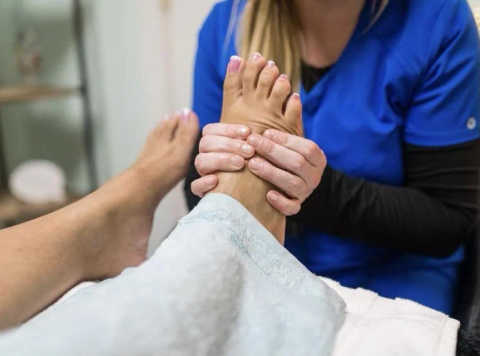
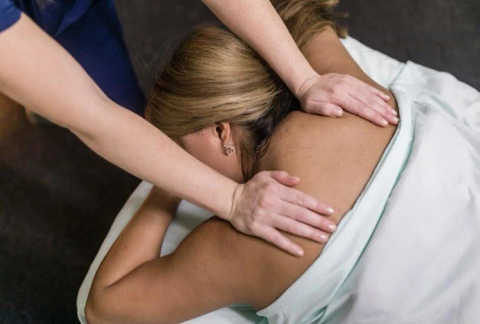
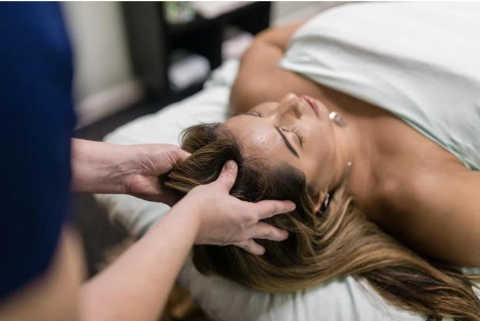
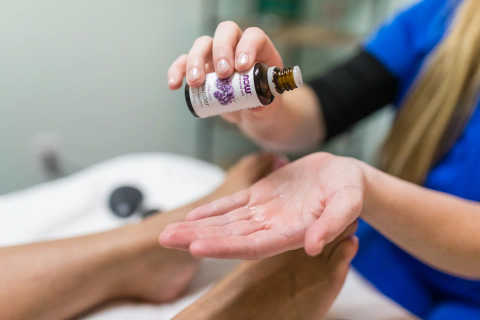
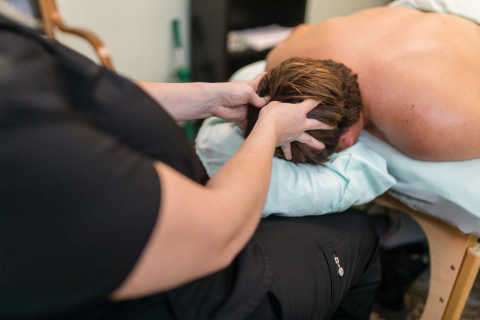
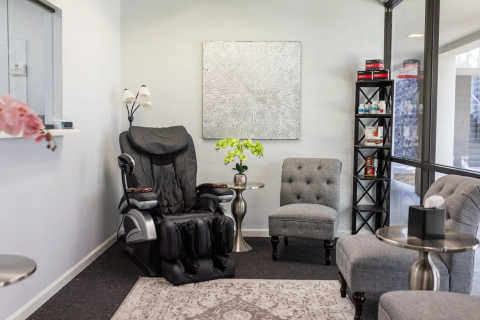
See examples of our lymphatic drainage massage work and results.





What Our Clients Say
$$MultiPurposeText$$
Read testimonials from our satisfied customers

Corinn is an excellent therapist. Just the right amount of pressure (to your specification...more

I just had the best massage of my life and can’t wait to tell everyone I know about it.

Had a massage this morning with Corinn and she was super nice and professional and had gre...more

Corinn was so great!!! I am not a huge fan of massages because I have had horrible massage...more

I drove ninety minutes from my home to her San Tan Valley location to get a massage by Cor...more

Corinne is a wonderful person and a professional massage therapist. The space is comfortab...more

Frequently Asked Questions
Get answers to common questions about lymphatic drainage massage.
During a session you'll experience very gentle, rhythmic strokes focused on lymph pathways. Expect light pressure, a calming pace, and attention to neck and core drainage points. Many clients feel relaxed, less puffy, and more energized afterward.
Often safe with provider clearance, but timing matters. Wait for surgical wounds to heal and get medical approval first. Our therapists assess your history and adapt technique; we do not perform lymphatic drainage when infections, blood clots, or certain cardiovascular conditions are present.
Results vary; many people notice reduced puffiness after one session, while chronic issues benefit from a series. We typically recommend three to six weekly sessions initially, then monthly maintenance or as advised based on your response and goals.
Lymphatic drainage can indirectly ease fatigue and mental fog by improving circulation and reducing toxin and fluid buildup. It's supportive rather than curative; combine with sleep, hydration, nutrition, and medical care to address chronic fatigue or cognitive symptoms.
Mild, temporary effects sometimes include increased urination, lightheadedness, thirst, or slight fatigue as your body shifts fluids. Rarely bruising or sensitivity occurs. Drink water, rest post-treatment, and contact us if you experience persistent pain, swelling, or unusual symptoms.
Arrive hydrated and avoid heavy meals or alcohol beforehand. Wear loose clothing and bring any relevant medical records. Inform your therapist about surgeries, medications, or health concerns so we can customize technique and ensure safe, effective drainage.
Read more about lymphatic drainage massage
$$MultiPurposeText$$
Explore our latest insights and guides on lymphatic drainage massage.


Exploring Massage Services: Tailored Treatments in San Tan Valley
Published On: June 21, 2026